Best Silicone Sheets for Tummy Tuck Scars: A Surgeon’s Guide to Optimal Healing
10/28/2026
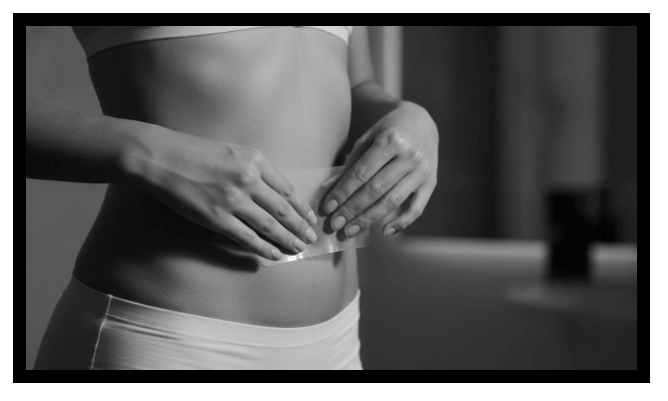
Figure#1: Picture of a post-operative tummy tuck patient deciding which silicone sheets are the best for her tummy tuck scar. Model patient created by CHATGPT.
You’ve navigated the long personal odyssey of body transformation, yet as you look in the mirror, the fear of a thick, dark keloid or a raised hypertrophic scar can feel like a shadow over your results. It's the one concern that keeps many of my patients from fully embracing their new confidence in swimwear or fitted clothing. Finding the best silicone sheets for tummy tuck scars shouldn't be a process of trial and error that leaves your skin irritated or your mind confused by endless over the counter options.
I believe that your recovery deserves the same meticulous precision as the surgery itself. It is common to feel protective of your results, and you want a solution that is both clinically effective and gentle on your healing tissues. In this guide, I will share the clinical science behind how medical grade silicone creates a protective barrier to hydrate your incision and regulate collagen production. You'll learn exactly how to select the right products to achieve a flat, barely visible scar. We will walk through a professional, surgeon backed protocol that transforms your incision from a source of worry into a faint, celebratory mark of your successful journey.
Key Takeaways
- Understand how medical-grade silicone uses occlusion to mimic your skin's natural moisture, creating an ideal environment for cellular repair.
- Learn how to identify the best silicone sheets for tummy tuck scars by prioritizing 100% material purity and superior adhesive strength for the active waistline.
- Discover why the mechanical stability of silicone sheets is often superior to topical gels for managing long, surgical incisions during the first six months.
- Follow a professional protocol to identify your "safe window" for application, preventing skin irritation through a gradual acclimatization schedule.
- Embrace scar care as the final, celebratory step of your body contouring journey to achieve a flat and barely-visible result.
Table of Contents
- The Science of Healing: Why Silicone is the Gold Standard for Tummy Tuck Scars
- Choosing the Best Silicone Sheets: Essential Features for Abdominoplasty Recovery
- Silicone Sheets vs. Gels: Which Is Superior for Long Surgical Incisions?
- Maximizing Results: A Surgeon’s Protocol for Silicone Scar Management
- Beyond the Surface: Completing Your Transformation with Expert Scar Care
The Science of Healing: Why Silicone is the Gold Standard for Tummy Tuck Scars
After years of performing complex body contouring, I’ve seen how the body’s natural healing response can be both a miracle and a challenge. The long, horizontal incision of an abdominoplasty requires a delicate balance of protection and physiological support. Medical grade silicone sheets are a noninvasive topical therapy that serves as the clinical gold standard for managing these significant surgical sites. Selecting the best silicone sheets for tummy tuck scars is about more than just convenience; it’s about providing the specific environment your body needs to heal beautifully and predictably.
The primary power of Silicone gel sheeting lies in its ability to provide occlusion. This isn't merely a physical covering. It's a sophisticated barrier that mimics the skin's natural moisture retaining function. By sealing the incision site, silicone regulates fibroblast activity, which are the cells responsible for collagen production. When these cells are left unmanaged in a high tension area like the abdomen, they can overproduce collagen, leading to the thick, raised textures we want to avoid. This is why I consider the best silicone sheets for tummy tuck scars to be an indispensable part of my post operative protocol.
Occlusion and Hydration: The Dual Mechanism
When your skin is healing from a major incision, it often suffers from Transepidermal Water Loss (TEWL). This dehydration sends a "panic" signal to your body, suggesting that the barrier is weak and needs more reinforcement. In response, your body rushes to produce excess collagen. Silicone sheets interrupt this cycle by maintaining deep hydration. This constant, 24 hour contact is far superior to intermittent topical applications because it keeps the cellular signaling stable. By keeping the incision site hydrated, we tell the fibroblasts to remain calm, resulting in a flatter, softer, and more aesthetic scar line.
Preventing Hypertrophic and Keloid Scars
The abdominal wall is a dynamic, high tension environment. Every time you move, breathe, or sit, there is a mechanical pull on your incision. This tension is a primary trigger for abnormal scarring. Hypertrophic scarring in the context of a tummy tuck is characterized by a raised, red, and thickened ridge that remains within the boundaries of the original incision, often exacerbated by the mechanical tension of the abdominal wall. Clinical evidence strongly supports silicone as the primary prophylactic for these types of incisions. By providing a layer of physical stability and deep hydration, we can significantly reduce the risk of the scar becoming dark or widened, ensuring your transformation ends with the refined result you deserve.
Choosing the Best Silicone Sheets: Essential Features for Abdominoplasty Recovery
Selecting the best silicone sheets for tummy tuck scars requires a discerning eye for quality. I often tell my patients that the material's purity is the foundation of effective therapy. You must look for 100% medical grade silicone without additives, fragrances, or irritating dyes. These additives might seem harmless, but on a fresh incision, they can trigger contact dermatitis; this inflammatory response can stall your progress and lead to unwanted pigmentation. High quality sheets should feel substantial yet breathable, providing a soft interface between your sensitive skin and your clothing.
The abdominal area is uniquely challenging because it's a high friction zone. Your clothing and natural movements constantly tug at the skin, which makes adhesive quality a critical factor. When searching for the best silicone sheets for tummy tuck scars, you need a product that balances strong "stay put" power with a gentle release. The Use of Silicone Adhesives for Scar Reduction highlights how consistent contact is necessary for the occlusion we discussed earlier. If a sheet peels at the edges, the therapeutic cycle is broken and the scar is left vulnerable to dehydration.
The Importance of Length and Flexibility
Many over the counter options are designed for small C-section scars. However, a standard tummy tuck incision typically runs hip to hip. Using multiple short strips creates gaps and "overlap bumps" that can lead to uneven healing. If you've undergone a Fleur-de-Lis or a 360 lower body lift, your needs are even more specific. These complex geometric incisions require long, continuous sheets or specialized shapes that can wrap around the torso without bunching. Flexibility is paramount; the material must move with you as post operative swelling fluctuates throughout the day.
Thickness and Pressure
You'll likely encounter a choice between thin silicone tapes and thicker sheets. While tapes are discreet, I often recommend thicker sheets for the first few months of recovery. The increased mass of a thicker sheet provides a subtle, therapeutic pressure that helps mechanically flatten the scar tissue. This works in harmony with your compression garment. If your garment is very tight, an ultra thin tape might be more comfortable, but for most patients, the structural integrity of a thicker sheet offers superior results. As you plan your recovery, consulting with a specialist who understands these nuances, like Dr. Timothy Katzen, ensures your aftercare is as precise as your surgery.
Silicone Sheets vs. Gels: Which Is Superior for Long Surgical Incisions?
Finding the best silicone sheets for tummy tuck scars often leads patients to wonder if a topical gel might be more convenient for their daily routine. Gels are certainly easy to apply, but a hip to hip incision presents unique challenges that a liquid barrier cannot always meet. In my experience, the mechanical stability of a physical sheet is almost always superior for the first six months of your recovery. A gel can be rubbed off by clothing or diluted by perspiration, whereas a medical grade sheet stays locked in place, providing the constant environment your cells need to reorganize properly.
When we look at the cost per month, sheets are frequently more economical for long surgical sites. A 12 inch incision requires a significant amount of product for full coverage. A standard tube of gel might only last two weeks when applied twice daily, but a high quality silicone sheet can often be washed and reused for several weeks or even months. This durability ensures that your investment in your healing is both clinically effective and financially sustainable. The Science of Silicone Scar Treatment confirms that while both forms are beneficial, the physical presence of a sheet offers a level of protection that gels simply cannot replicate.
When to Opt for Silicone Sheets
I recommend sheets as the primary therapy because they provide "constant occlusion." This physical barrier does more than just hydrate; it protects your delicate new skin from the constant friction of waistbands, surgical binders, and compression garments. Because your tummy tuck incision is typically hidden beneath clothing, the slight profile of a sheet isn't a cosmetic concern. Instead, it acts as a secondary skin, absorbing the mechanical stress that would otherwise pull on your scar and cause it to widen or thicken. While gels have their place, the best silicone sheets for tummy tuck scars provide the physical stability required to manage the tension of a dynamic abdominal wall.
The Role of Silicone Gels
Gels are an excellent secondary tool or a "bridge" in your recovery protocol. I often suggest a hybrid approach: use your silicone sheets for 20 to 22 hours a day, and apply a silicone gel during the brief windows when you are exercising or when your sheets are being washed and air dried. Gels are also helpful once the scar has significantly flattened and matured, usually after the six month mark, when you might transition to a less intensive maintenance routine. Silicone sheets provide a superior level of occlusive efficiency compared to gels because they create a permanent, non evaporating seal over the scar tissue.
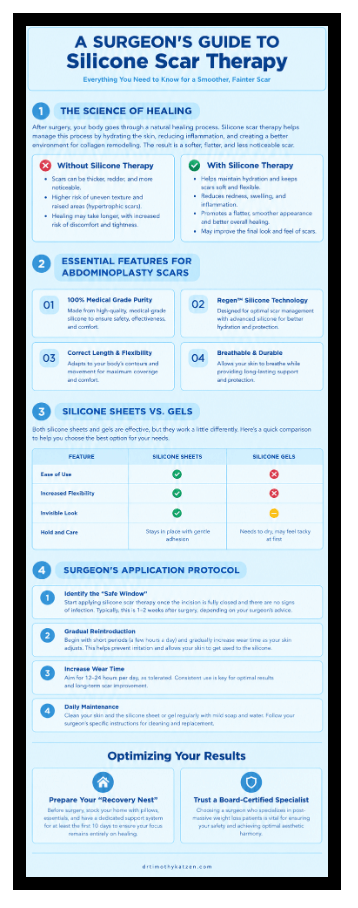
Figure #2: Picture of an Infogram outlining Silicone treatment for Scar Therapy.
Maximizing Results: A Surgeon’s Protocol for Silicone Scar Management
I view the months following your Tummy Tuck as a critical window where your active participation determines the final aesthetic outcome. It's not enough to simply purchase the best silicone sheets for tummy tuck scars; you must integrate them into a disciplined, surgical grade recovery protocol. My approach focuses on timing, hygiene, and gradual progression to ensure your skin thrives rather than reacts. This phase is the final, celebratory step of your transformation, turning a surgical necessity into a refined, barely visible mark of your journey.
The "Safe Window" for beginning silicone therapy is not a one size fits all date. I advise my patients to wait until complete epithelialization has occurred, which typically happens once surgical drains are removed and all scabbing or oozing has ceased. Applying silicone to an open wound or a scabbed area can trap bacteria and moisture, leading to infection or delayed healing. Once your incision is a solid, closed line, you're ready to begin the process of transformation. Consistency is your greatest ally here; your clinical target is 12 to 22 hours of daily wear to maintain the necessary signaling for collagen regulation.
Acclimatization is essential for preventing skin maceration, a condition where the skin becomes soggy and irritated from excessive moisture. I recommend starting with four hours of wear on the first day, then adding two hours each subsequent day. This steady pace prevents the reader from feeling overwhelmed or experiencing skin rashes. Proper maintenance is also key to your success. To extend the life of your reusable sheets, wash them daily with a gentle, fragrance free soap and allow them to air dry completely. This ensures the best silicone sheets for tummy tuck scars remain hygienic and effective for weeks of use.
Step-by-Step Application for Tummy Tuck Scars
Before applying your sheet, ensure the skin is pristine. Lotions, oils, and even some moisturizing soaps leave residues that destroy silicone adhesion and can cause rashes under the sheet. When placing the material over the high tension area of your lower abdomen, do not stretch the sheet. Stretching it can create a pulling sensation that irritates the incision. Instead, lay it flat and smooth it from the center outward. If you find the edges rolling under your compression garment, a small piece of medical tape at the corners can provide extra security during sleep or movement.
Common Mistakes to Avoid
The most frequent error I see is neglecting the "break" period. Your skin needs a few hours each day to breathe and reset. I also caution against over washing the sheets; excessive scrubbing degrades the medical grade adhesive. If the sheet becomes cloudy or loses its "tack" despite proper cleaning, it's time to retire that piece and start a fresh one. Using a degraded sheet won't provide the necessary occlusion for optimal fading. If you're unsure if your healing is progressing as expected, consult with Dr. Timothy Katzen to ensure your recovery protocol is tailored to your unique needs.
Beyond the Surface: Completing Your Transformation with Expert Scar Care
I often tell my patients that the journey of body transformation doesn't end when the last suture is placed. Instead, the post operative phase is a celebratory final chapter where we refine and polish the result you've worked so hard to achieve. While selecting the best silicone sheets for tummy tuck scars is a vital component of your home care, it works in tandem with the surgical precision established in the operating room. My goal is to ensure that your scar is not just a mark of surgery, but a faint, nearly invisible boundary of your new silhouette.
The success of your scar's appearance begins with a meticulous surgical technique. By utilizing advanced multi-layer closure methods, I minimize the tension placed on the skin's surface. This is crucial because even the best silicone sheets for tummy tuck scars cannot fully compensate for a high tension closure that pulls at the healing edges. When we reduce that mechanical stress from the inside, the silicone therapy can focus entirely on its clinical role: regulating collagen and maintaining deep hydration. This partnership between surgeon and patient creates the foundation for a flat, faded result that allows you to feel truly at home in your body.
Professional follow ups are the third pillar of this process. During our appointments, I monitor the maturation of your scar to ensure it remains on a healthy trajectory. If a scar shows signs of stubborn redness or texture, we can integrate silicone therapy with other professional modalities, such as laser resurfacing. This comprehensive approach ensures that we are addressing your healing from every possible angle, prioritizing your long term well-being over generic aesthetic standards.
Personalized Recovery at J. Timothy Katzen, M.D.
The "Katzen Difference" lies in a specialized understanding of post transformative body sculpting. Whether you've had a standard Tummy Tuck or a comprehensive 360 body contouring procedure, your scar placement and healing plan are tailored to your unique anatomy. I provide customized post operative protocols that go far beyond over the counter suggestions. This commitment to excellence ensures that every patient leaves with a clear, expert backed recovery path that fosters both physical healing and emotional renewal. We don't just aim for "good" results; we strive for a level of aesthetic refinement that restores your confidence completely.
Taking the Next Step in Your Transformation
I believe that every individual deserves a recovery process that feels safe, informed, and supported. Your transformation is a deeply personal odyssey, and I am here to serve as your dedicated partner through every step. Seeing your final result, where the incision has faded into a whisper of a line, is the ultimate reward of our collaboration. If you are ready to complete your journey with a surgeon who prioritizes meticulous detail and compassionate care, I invite you to reach out. Schedule your consultation with Dr. Katzen to discuss your body transformation goals and discover how we can achieve the beautiful, low scar outcome you deserve.
Embrace the Final Step of Your Transformation
The path to a barely visible scar is a commitment to both science and patience. We've explored how medical grade silicone provides the essential occlusion needed to flatten and fade your incision. You now understand that selecting the best silicone sheets for tummy tuck scars involves prioritizing material purity and a disciplined wear schedule. This meticulous attention to detail ensures your results are as refined as the surgery itself. Scar management is not just a medical necessity; it's the celebratory final step of your personal odyssey.
As a board certified specialist world renowned for advanced 360 lower body lifts, I've dedicated my practice to the art of post weight loss body contouring. I believe that your recovery should be a partnership rooted in empathetic care and clinical excellence. Your journey toward a more confident version of yourself deserves a dedicated partner who understands the physical and emotional complexities of your transformation. I invite you to Book Your Transformation Consultation with Dr. Katzen to discuss how we can achieve your aesthetic goals together. Your new silhouette is a testament to your strength, and I am here to help you reveal it with pride.
Frequently Asked Questions
When can I start using silicone sheets after my tummy tuck?
You should begin using silicone sheets only after your incision has fully closed and there is no more scabbing, oozing, or open areas. This typically occurs about two to three weeks after your tummy tuck, once your surgical drains are removed. Starting too early can trap bacteria and lead to infection. Always wait for your surgeon's specific clearance before applying any topical products to the healing tissue.
How many hours a day should I wear silicone scar sheets?
The clinical goal for optimal scar fading is to wear your silicone sheets for 12 to 22 hours every day. While you should start with just a few hours to let your skin adjust, consistency is the most important factor in remodeling collagen. Removing the sheets only for bathing or cleaning ensures the incision site remains hydrated and protected throughout the dynamic movements of your day.
Can I reuse silicone sheets, and how do I clean them?
Most high quality medical grade silicone sheets are designed to be washed and reused for several weeks. To maintain their adhesive properties, gently wash the sheets daily with a fragrance free, mild soap and lukewarm water. Allow them to air dry completely on a lint free surface before reapplying. Once the edges begin to fray or the sheet loses its tackiness, it's time to replace it with a fresh strip.
Do silicone sheets work on old tummy tuck scars?
Silicone therapy is effective on older scars, though the process of softening and flattening mature tissue may take longer than with a fresh incision. Even scars that are several years old can show improvement in texture and color with dedicated use. While the most dramatic changes happen during the first year of healing, the best silicone sheets for tummy tuck scars can still provide significant benefit to established hypertrophic or keloid marks.
What should I do if I develop a rash under my silicone sheet?
If you develop a rash or persistent redness, stop using the sheets immediately and allow your skin to breathe until the irritation clears. This is often caused by trapped sweat or improper cleaning rather than an allergy to the silicone itself. Once the skin has recovered, try restarting the protocol with shorter wear times. If the irritation returns, consult your surgeon to discuss alternative topical treatments like silicone gels.
How long does it take to see results from silicone scar therapy?
You may notice an initial softening of the scar tissue within the first few weeks of consistent use. However, the most significant aesthetic improvements in color and flatness typically become visible between three and six months. Scar maturation is a slow physiological process that can continue for up to a year. Staying disciplined with your wear schedule during this entire window is essential for achieving a barely visible result.
Can I use scar cream and silicone sheets at the same time?
You should not apply scar creams and silicone sheets at the same time because the oils in the cream will destroy the sheet's adhesive bond. This prevents the silicone from creating the necessary occlusive seal over the skin. If you wish to use both, apply the cream during your "break" period when the sheets are off. Ensure the skin is washed and completely dry before reapplying your silicone therapy.
Is it better to use silicone tape or pre-cut silicone sheets?
The choice depends on the geometry of your incision, but precut sheets often provide more consistent thickness and pressure. For a standard hip to hip incision, the best silicone sheets for tummy tuck scars are often long, contoured strips designed specifically for the abdominal curve. Silicone tape is a versatile option for shorter sections or complex incisions where you need to customize the length and fit precisely.