Diet After Tummy Tuck: The Complete Guide to Healing and Long-Term Results
8/5/2026
Your fork is as critical a surgical instrument as my scalpel when it comes to the final architecture of your abdomen. While the surgery creates the contour, your diet after tummy tuck dictates the structural integrity and longevity of that new shape. I recognize the quiet anxiety that often accompanies the first few weeks of recovery. You might feel a sense of urgency to manage the distressing swelling cycles or a lingering fear that post-surgical weight gain could undo the beautiful work we have achieved together.
It is completely natural to feel protective of your results after such a profound personal odyssey. I view nutrition not merely as food, but as a biological tool designed to support tissue repair and minimize inflammation. In this guide, I will share the precise nutritional blueprint required to accelerate your recovery and optimize scar healing. We will cover everything from the essential protein requirements for cellular repair to a clear roadmap for protecting your flat, contoured abdomen for years to come.
Key Takeaways
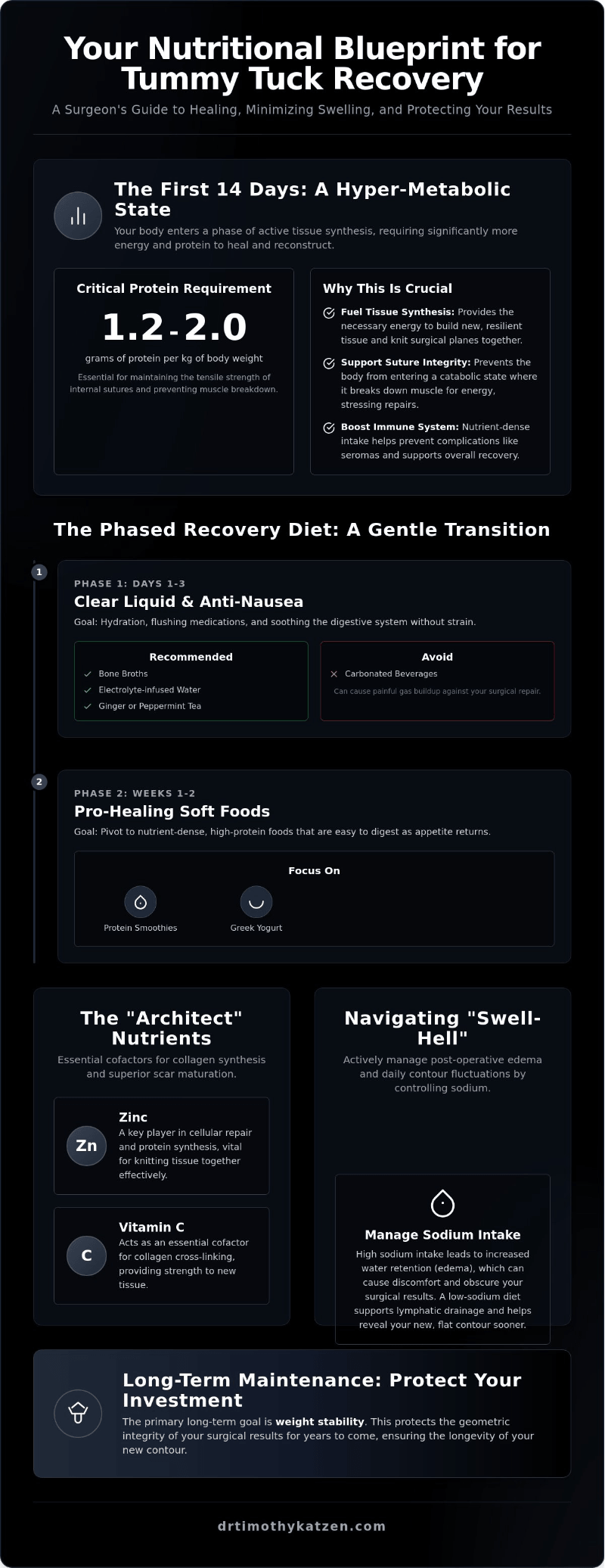
- Understand why your metabolic requirements increase during the first 14 days and how specific protein thresholds maintain the tensile strength of your internal sutures.
- Learn the structured timeline for your diet after tummy tuck, transitioning safely from clear liquids to nutrient-dense solids that support lymphatic drainage.
- Discover the "architect" nutrients, including Zinc and Vitamin C, that act as essential cofactors for collagen cross-linking and superior scar maturation.
- Master strategies to navigate the "Swell-Hell" cycle by managing sodium intake to reduce post-operative edema and daily fluctuations in your abdominal contour.
- Establish a long-term maintenance plan focused on weight stability to protect the geometric integrity of your surgical results for years to come.
Table of Contents
- The Metabolic Role of Nutrition in Abdominoplasty Recovery
- The Phased Recovery Diet: From Liquids to Longevity
- Essential Nutrients for Tissue Repair and Scar Optimization
- Navigating Post-Operative Challenges: Inflammation and Bloating
- Maintaining Your New Contour: Long-Term Nutritional Strategy
The Metabolic Role of Nutrition in Abdominoplasty Recovery
I often tell my patients that while I perform the surgery, their body performs the miracle of reconstruction. During the initial 14 days following an Abdominoplasty (tummy tuck), your system enters a hyper-metabolic state. This is not just a period of rest; it's a phase of active tissue synthesis. Your body acts as a high-performance construction site that requires a significant surplus of energy to bridge the gap between your new abdominal contour and the underlying muscular repair. Reframing your diet after tummy tuck as "surgical fuel" rather than just calories is the first step in your transformative odyssey.
The Biology of Tissue Repair
Healing occurs in three distinct, overlapping phases: inflammation, proliferation, and remodeling. In the first few days, your body focuses on clearing cellular debris and managing the initial inflammatory response. Soon after, the proliferation phase begins. This is where your nutritional choices become critical. Your body starts synthesizing collagen to knit the surgical planes together. Collagen synthesis is the primary goal of your recovery diet, as it provides the structural framework for your new skin and muscle position. Amino acids, the building blocks of protein, are essential during this time to re-establish blood flow to the newly contoured skin and ensure your body has the raw materials to build resilient new tissue.
Why Your Metabolic Rate Spikes Post-Surgery
The physiological stress response to anesthesia and a significant surgical intervention naturally elevates your basal metabolic rate. Your body is under pressure to maintain vital organ function while simultaneously repairing large surgical areas. This is especially true for patients who undergo more extensive procedures like a 360 lower body lift or a Fleur-de-Lis tummy tuck, which involve larger surgical planes and more complex tissue manipulation. These procedures demand even higher metabolic support than a standard abdominoplasty.
In my practice, I find that "starving" yourself to stay thin post-op is the most dangerous mistake a patient can make. When you don't consume enough calories, your body enters a catabolic state, breaking down its own muscle tissue for energy. This directly impacts the tensile strength of your surgical internal sutures. If your body lacks the protein needed for repair, those sutures are under higher stress, which can lead to complications such as seromas or delayed wound healing. To prevent this, I recommend prioritizing high-quality protein sources to meet the 1.2 to 2.0 grams per kilogram of body weight required for optimal surgical recovery. This ensures your body doesn't have to choose between healing your incision and maintaining your overall health.
- Protein: Essential for suture integrity and muscle repair.
- Caloric Surplus: Required for the first 14 days to fuel tissue synthesis.
- Nutrient Density: Prevents the formation of seromas and supports the immune system.
The Phased Recovery Diet:
From Liquids to Longevity Reintroducing food to your system after a major abdominal transformation requires a methodical, gentle approach. Your digestive tract often slows down due to the combined effects of anesthesia and pain medications. Rushing this process can lead to significant discomfort. I advise my patients to view their post-surgery diet as a series of progressive steps. This gradual transition ensures your body remains hydrated and nourished without placing unnecessary strain on your newly tightened internal structures.
Days 1-3: The Clear Liquid and Anti-Nausea Phase
The first 72 hours are dedicated to hydration and settling your stomach. Your primary goal is to flush residual surgical medications from your system. I recommend focusing on bone broths, which provide essential minerals and a base of collagen-building blocks, along with electrolyte-infused water. Nausea is a common side effect of anesthesia. Sipping on ginger or peppermint tea can provide profound relief and help soothe the digestive lining. Avoid carbonated beverages entirely during this window. The bubbles can cause painful gas buildup that presses against your surgical repair, leading to unnecessary distress.
Weeks 1-2: The Pro-Healing Soft Food Phase
As your appetite returns, your diet after tummy tuck should pivot toward high-density nutrition that is easy to digest. This is the "mushy" food phase. I want you to focus on high-protein smoothies, Greek yogurt, and soft-cooked eggs. Aim for approximately 25-30 grams of protein per meal during this critical window. This consistent supply of amino acids supports the repair of the abdominal wall and skin. Using a blender to create nutrient-dense soups or shakes minimizes the amount of work your stomach has to do, preventing the "heavy" feeling that often triggers abdominal muscle guarding.
Weeks 3-6: Transitioning to Whole Foods
By the third week, you can begin reintroducing whole foods like lean poultry, flaky fish, and leafy greens. It's vital to monitor your body’s reaction to fiber. While fiber is necessary to prevent constipation, introducing too much too quickly can cause sudden bloating or distension. Start with small portions of cooked vegetables before moving to raw produce. This is also the stage where you begin to feel more mobile. If you are wondering When Can You Safely Exercise After a Tummy Tuck?, remember that your internal healing is still the priority. If you have questions about your specific progress, I am always here to provide a personalized consultation to ensure your recovery stays on the right path.
Essential Nutrients for Tissue Repair and Scar Optimization
I view your recovery as a meticulous construction project where every micronutrient plays a specific role in the structural integrity of your results. While the surgical procedure sets the stage, the quality of your scar and the resilience of your skin depend on the "architects" you provide through your diet after tummy tuck. Vitamin C is perhaps the most critical cofactor in this process; it's the engine behind collagen cross-linking, which gives your surgical site the tensile strength it needs to heal into a fine, stable line. Without sufficient Vitamin C, the collagen fibers remain weak, potentially leading to a wider or more prominent scar.
Zinc and copper function as the secondary architects of new skin cell production, ensuring that the cellular landscape of your abdomen is rebuilt with precision. I also recommend focusing on Vitamin A, which enhances the immune response specifically at the incision site, acting as a safeguard against potential complications during the early stages of healing. To manage the visual aftermath of surgery, you might consider incorporating natural compounds like bromelain, found in pineapple, and quercetin, found in red onions and apples. These work synergistically to reduce post-surgical bruising and help your skin return to its natural tone more quickly.
The Power of Lean Proteins
While we established the metabolic need for protein in earlier sections, the source of these amino acids is equally important for your long-term outcome. Animal proteins like poultry and fish are highly bioavailable, meaning your body can use them quickly; however, plant-based proteins like lentils and chickpeas are excellent for managing inflammation. During this period, amino acids like glutamine and arginine are considered "conditionally essential" because your body's demand for them during tissue synthesis far exceeds its natural production capacity. Consuming adequate protein ensures your body maintains its existing muscle mass rather than breaking it down for energy during your sedentary recovery period.
Anti-Inflammatory Fats and Micronutrients
Managing systemic inflammation is a delicate balance. Omega-3 fatty acids, found in walnuts and wild-caught salmon, help regulate the body's inflammatory markers without the blood-thinning risks associated with high-dose supplements. Following these post-surgery nutrition tips can significantly improve your daily comfort level. I also encourage my patients to seek out Vitamin E from whole food sources like almonds and spinach to support skin elasticity. Finally, don't overlook magnesium; it's a vital tool for muscle relaxation that can help reduce the frequency and intensity of post-operative spasms in your tightened abdominal wall.
Navigating Post-Operative Challenges: Inflammation and Bloating
The "Swell-Hell" cycle is perhaps the most emotionally taxing part of the physical recovery process. I often see patients who are thrilled with their results in the mirror each morning, only to feel distressed by evening when their abdomen feels tight, heavy, and distended. This fluctuation is a physiological reality. During the night, while you are horizontal, your lymphatic system has an easier time processing fluid. Once you are upright and moving, gravity causes fluid to pool around the surgical site. Maintaining a precise diet after tummy tuck is your best defense against this cycle, helping you protect the crisp, geometric lines of your new contour from the inside out.
Sugar is a significant enemy during this phase. It triggers systemic inflammation that can make your swelling feel more rigid and painful. Beyond the aesthetic concerns, chronic inflammation can slow the healing of the deeper tissue layers I have meticulously repaired. By choosing low-glycemic foods, you reduce the inflammatory load on your body, allowing your system to focus entirely on structural repair rather than managing blood sugar spikes.
The Sodium-Water Balance
Sodium is the primary culprit behind post-operative edema. When you consume excess salt, your body traps water in the interstitial spaces between your cells. This increases the internal pressure against your incisions and the internal sutures used for muscle plication. It's a common trap to reach for canned soups or processed "healthy" meals during recovery, but these are often hidden sources of massive sodium loads. I encourage you to focus on potassium-rich foods like avocados and bananas. Potassium acts as a natural antagonist to sodium, helping your kidneys flush out excess water weight and encouraging better lymphatic drainage. This balance is critical for ensuring your skin settles smoothly over the new abdominal wall.
Managing Digestive Stasis
Post-operative constipation is a frequent, yet avoidable, complication that can cause significant pain. Your bowels face a "double-hit" from the use of narcotic pain medications and a temporary decrease in physical activity. This digestive stasis creates internal pressure that strains your surgical repair. While stool softeners are often necessary, your diet after tummy tuck should include gentle, natural laxatives like stewed prunes or magnesium-rich pumpkin seeds. I also recommend a high-quality probiotic to restore gut health, especially since prophylactic antibiotics can disrupt your natural microbiome. If you find yourself struggling with persistent bloating or digestive discomfort, I am available for comprehensive post-operative support to help you navigate these challenges safely.
- Potassium: Flush out salt and reduce edema.
- Probiotics: Repair the gut after surgical antibiotics.
- Hydration: Essential for keeping the digestive system moving.
Maintaining Your New Contour: Long-Term Nutritional Strategy
As you move beyond the initial six weeks of recovery, the focus of your diet after tummy tuck shifts from acute tissue repair to the preservation of your surgical investment. I view this transition as the most critical part of your journey. Many patients mistakenly treat their post-operative nutrition as a temporary phase, but the longevity of your flat, contoured abdomen depends on a permanent commitment to weight stability. Your new shape is a masterpiece of surgical architecture, and like any fine work, it requires consistent maintenance to remain pristine.
In my practice, I emphasize the "Geometric Consistency" rule. Your skin has been meticulously redraped and tightened to fit your current frame. Even a modest weight gain of 10-15 lbs can begin to alter these surgical proportions, stretching the skin and potentially softening the crisp definition we achieved. While a tummy tuck removes a significant amount of fat cells, the remaining cells can still expand. Maintaining a stable weight ensures that the tension and contour of your abdominal wall remain exactly as intended during our procedure.
Preventing Visceral Fat Accumulation
It's vital to understand that an abdominoplasty specifically targets subcutaneous fat, the layer just beneath your skin. It does not address visceral fat, which is the fat stored deep within your abdomen around your internal organs. If your caloric intake consistently exceeds your needs, your body will store energy as visceral fat. This can push your abdominal wall outward from the inside, leading to a return of the "apple shape" even if your skin remains tight. To prevent this, I recommend high-volume, low-calorie eating strategies. Focus on filling your plate with fibrous vegetables and lean proteins that provide satiety without the caloric density that leads to internal fat storage.
The Role of Hydration in Skin Elasticity
Long-term skin quality is the secret to a result that looks natural and youthful for decades. Chronic dehydration is one of the fastest ways to compromise skin elasticity, leading to premature sagging and a loss of that firm, "plump" appearance. Furthermore, dehydrated tissue can make surgical scars appear more prominent, sunken, or discolored. By maintaining high levels of systemic hydration, you support the resilience of your skin and the maturity of your scar tissue.
This transformation is a partnership between my surgical expertise and your daily choices. By adopting an anti-inflammatory, nutrient-dense lifestyle, you aren't just "dieting" to stay thin. You are honoring the physical and emotional odyssey you've undertaken. Treating your body with this level of meticulous care ensures that your results aren't just a temporary improvement, but a permanent foundation for your new quality of life.
- Weight Stability: The primary factor in maintaining surgical tightness.
- Visceral Health: Manage calories to prevent the "pushing out" of the abdominal wall.
- Hydration: Essential for scar maturation and skin resilience.
Securing Your Transformation for the Years Ahead
You've embarked on a profound personal odyssey to reclaim your silhouette. While the surgical phase is complete, your daily nutritional choices remain the most powerful tool in your recovery kit. By prioritizing high-quality proteins for suture integrity and managing sodium to navigate the difficult swelling cycles, you ensure your body has the biological resources it needs to heal with precision. A mindful diet after tummy tuck isn't just about the first six weeks; it's the foundation for protecting the geometric clarity of your results for a lifetime.
I'm dedicated to your long-term well-being and provide personalized care that extends far beyond the operating room. With board-certified expertise in post-weight loss body contouring and a reputation for excellence in the 360 lower body lift, I'm here to partner with you through every stage of this evolution. Your new contour is a celebration of your hard work and your commitment to personal growth.
Ready to take the final step in your journey? Schedule your consultation with Dr. Katzen to finalize your transformation journey. I look forward to helping you maintain your beautiful results and enjoy the flat, contoured abdomen you've earned.
Frequently Asked Questions
Can I drink alcohol after a tummy tuck?
You should avoid alcohol for at least two weeks following your procedure. Alcohol acts as a vasodilator, which can increase post-operative swelling and potentially lead to bleeding. It also dehydrates your tissues and can have dangerous interactions with your prescribed pain medications. Once you've finished your narcotic regimen and the initial inflammatory phase has passed, you can slowly reintroduce it in moderation.
How much water should I drink daily during recovery?
I recommend drinking between 64 and 80 ounces of water daily during your initial recovery. Proper hydration is essential for flushing out residual anesthesia and preventing the constipation that often accompanies pain medication. Keeping your tissues hydrated also supports the elasticity of your skin as it settles into its new, contoured position. Monitor your intake closely to ensure your system remains balanced and efficient.
Are there specific foods that help fade tummy tuck scars?
While no food can make a scar vanish, nutrients that support collagen maturation are vital for a fine, flat result. Focus on foods rich in Vitamin C, like bell peppers and strawberries, alongside zinc-heavy options like pumpkin seeds. These elements act as the biological building blocks for tissue strength. A consistent diet after tummy tuck that prioritizes these micronutrients helps your incision transition from a red line to a mature, faded scar.
Is it normal to feel extra hungry after surgery?
It's entirely normal to feel an increase in appetite during the first two weeks of your recovery. Your body is working at an accelerated metabolic rate to synthesize new tissue and repair the surgical site. This energy demand is significant, and I encourage you to honor that hunger with nutrient-dense choices. Focus on lean proteins and complex carbohydrates rather than empty calories to fuel your body's reconstruction efforts effectively.
Can I take protein shakes instead of eating solid meals?
Protein shakes are an excellent way to meet your elevated protein requirements, but they shouldn't entirely replace solid meals. Whole foods provide essential fiber and a complex profile of micronutrients that shakes often lack. Use shakes as a convenient supplement to ensure you hit the 1.2 to 2.0 grams of protein per kilogram of body weight that I recommend for optimal healing and muscle preservation.
What foods should I avoid to prevent bloating and swelling?
To minimize distressing bloating and swelling, you must strictly avoid high-sodium foods, refined sugars, and carbonated beverages. Excessive salt causes your body to retain fluid in the surgical space, while sugar triggers systemic inflammation that can make your abdomen feel tight and uncomfortable. Carbonation can also lead to painful gas buildup, which places unnecessary pressure on your internal muscle repair and newly tightened skin.
How long do I need to follow a strict recovery diet?
You should follow a focused, pro-healing diet for at least six weeks as your body completes the primary stages of tissue remodeling. However, I view your diet after tummy tuck as more than a temporary phase. Transitioning into a sustainable, anti-inflammatory lifestyle is the best way to protect your surgical investment and maintain your new abdominal contour for years to come. Consistency is key to long-term satisfaction.
Does caffeine affect the healing process after abdominoplasty?
Moderate caffeine consumption is generally acceptable, but excessive amounts can hinder the healing process. Caffeine is a vasoconstrictor, which means it can temporarily narrow your blood vessels and potentially limit the delivery of oxygen-rich blood to your incision site. If you're a regular coffee drinker, try to limit yourself to one or two small cups a day and balance it with extra water to avoid dehydration.