What to Buy Before Abdominoplasty: Ultimate Recovery Essentials Checklist (2026)
10/5/2026
Your surgical results don't just depend on the precision of my scalpel; they are forged in the quiet, prepared corners of your home during the weeks that follow. I recognize that reaching this stage is often the final, celebratory step of a long personal odyssey, yet the transition can feel daunting. You might feel overwhelmed by conflicting online advice or anxious about managing your mobility and wound care once you leave the clinic. It's completely natural to feel a mix of excitement and trepidation as you consider the physical and emotional shift ahead.
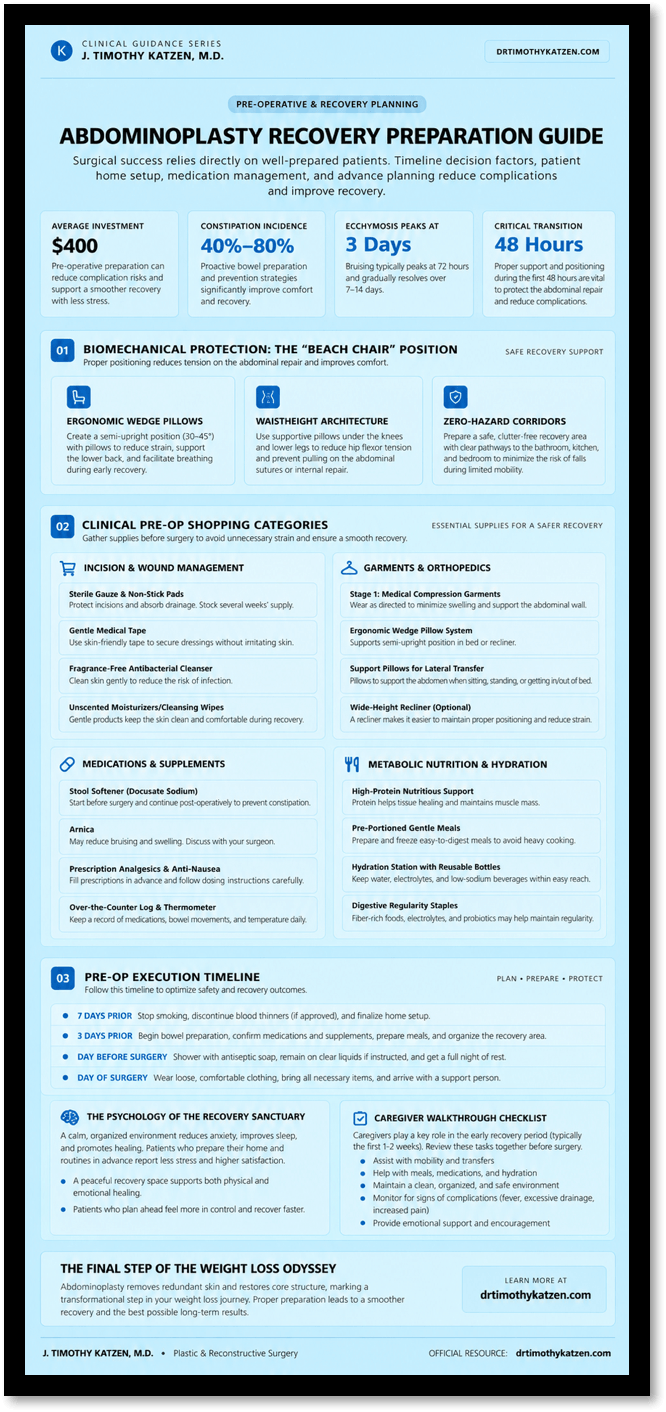
Knowing exactly what to buy before abdominoplasty is the first step in building a foundation of safety and trust in your own healing process. Research suggests patients spend an average of $400 on recovery essentials, ranging from specialized Stage 1 compression garments to high-protein nutritional support. This expert-curated checklist is designed to demystify your preparation, ensuring you have every tool necessary for a stress-free environment and optimal aesthetic results. We will explore everything from ergonomic wedge pillows that maintain vital hip flexion to the clinical-grade antiseptic cleansers required for infection control, allowing you to focus entirely on your transformation and renewal.
Key Takeaways
- Learn how proactive home preparation acts as a bridge between surgery and your new silhouette, significantly reducing post-operative anxiety and physical strain.
- Access a comprehensive, expert-curated guide on what to buy before abdominoplasty, including medical-grade compression garments and specialized wound care essentials.
- Understand the mechanics of the "Beach Chair" recovery position and why specific orthopedic supports are non-negotiable for protecting your internal abdominal repair.
- Identify the specific clinical nutritional targets, such as high-protein intake, required to stimulate collagen synthesis and support your body’s metabolic recovery.
- Establish a methodical preparation timeline to ensure your recovery station is fully optimized, allowing you to focus entirely on your transformative results.
Table of Contents
- The Foundation of Healing: Why Pre-Op Preparation Matters
- Medical and Hygiene Essentials: Your Clinical Shopping List
- Mobility and Comfort: Supporting Your New Silhouette
- The Recovery Kitchen: Nutrition and Hydration Essentials
- Master Checklist: Everything to Buy Before Your Abdominoplasty
The Foundation of Healing: Why Pre-Op Preparation Matters
As a specialist dedicated to post-transformative body sculpting, I believe your healing journey begins long before you arrive at the surgical center. I view abdominoplasty as the celebratory final step of a long personal odyssey, yet the success of this procedure relies heavily on the partnership between surgeon and patient. Researching what to buy before abdominoplasty isn't merely about ticking off items on a list; it's about reclaiming control over your environment to foster a sense of safety and trust. When your home is meticulously prepared, you can release the burden of logistics and focus entirely on your physical and emotional renewal.
The Psychology of a Prepared Recovery
The first 48 hours following surgery are a time of profound transition. During this window, "decision fatigue" can become a significant hurdle. If you're searching for a thermometer or wondering where the gauze is stored while managing post-operative fatigue, your stress levels will inevitably rise. I define a recovery nest as a sanctuary for physical and emotional transition, a dedicated space where the focus shifts from the labor of weight loss to the peace of aesthetic integration. By organizing your essentials in advance, you create a mental landscape that prioritizes rest over reaction. This preparation reduces the cognitive load on both you and your caregiver, allowing for a more serene atmosphere during those critical early days.
Minimizing Risks Through Environmental Control
A curated environment is your first line of defense against complications. Sudden movements, reaching for high shelves, or bending down to retrieve items can place undue tension on your internal rectus fascia repair. To better understand the surgical techniques and potential risks like seromas, reviewing a comprehensive abdominoplasty overview can provide additional clinical context for your preparation. I recommend organizing your recovery station with all necessities at waist-height. This simple adjustment prevents the "hunched walk" from becoming a source of accidental strain.
- Organize medications: Keep a clear log and all prescriptions on a bedside table to avoid unnecessary trips to the kitchen.
- Clear the pathways: Remove rug runners or loose cords that could pose a trip hazard while your mobility is temporarily limited.
- Hygiene readiness: Ensure your bathroom is stocked with antimicrobial cleansers and easy-access towels before your mobility is restricted.
Understanding what to buy before abdominoplasty also involves setting clear expectations with your caregiver. They are your dedicated partners in this transformative process. By walking through your recovery station together before day one, you ensure they understand the methodical flow required to maintain your comfort and safety. This collaborative approach transforms recovery from a medical necessity into a dedicated period of self-care, where every detail is optimized for your long-term well-being and aesthetic success.
Medical and Hygiene Essentials: Your Clinical Shopping List
Determining exactly what to buy before abdominoplasty involves looking beyond basic bandages to specialized clinical support. You'll need a robust supply of sterile gauze, non-stick pads, and gentle medical tape to manage your incisions without causing skin irritation. I also recommend having fragrance-free antimicrobial cleansers on hand to maintain a sterile environment during dressing changes. These items aren't just supplies; they're the tools that safeguard your results against infection.
Your internal repair requires you to avoid any unnecessary strain, particularly during bowel movements. Clinical data indicates that opioid-induced constipation affects between 40% and 80% of surgical patients, making prophylactic stool softeners like docusate sodium a vital purchase. Additionally, arnica can assist with managing bruising, while your prescribed pain medications and antibiotics should be filled and organized at your bedside at least three days before your procedure. Filling these early prevents a stressful trip to the pharmacy when you should be resting.
Since you cannot immerse your incisions in water during the initial healing phase, hygiene requires a creative approach. Stock up on oversized, pH-balanced cleansing wipes and dry shampoo. These allow you to feel refreshed without risking moisture-related complications at the surgical site. While you'll eventually transition to medical-grade silicone sheets or gels for scar management, these are typically reserved for the three to six-week mark once the skin has fully closed.
Post-Surgical Garments and Support
Compression is the cornerstone of a successful recovery. You'll likely wake up in an abdominal binder, which is critical for reducing seroma risk by eliminating "dead space" between the skin and muscle. I also require patients to wear medical-grade compression stockings to promote circulation and prevent deep vein thrombosis. For a deeper understanding of these healing milestones and garment protocols, you can consult Mayo Clinic's guide to tummy tuck recovery. When choosing your wardrobe, stick to loose, button-down shirts that don't require you to lift your arms over your head or strain your core.
The Bathroom Setup for Limited Mobility
Your bathroom needs to be a low-effort zone. A shower chair is a non-negotiable safety item for the first week, as post-operative lightheadedness can occur. Pair this with a handheld showerhead attachment to ensure you can clean yourself effectively without getting your primary dressings wet. Finally, a raised toilet seat with support handles significantly minimizes core muscle engagement, protecting your rectus plication from sudden, painful tension. If you're feeling overwhelmed by these logistics, remember that a consultation for a tummy tuck is the ideal time to discuss your specific home setup needs with a specialist who understands your unique physical goals.
Mobility and Comfort: Supporting Your New Silhouette
Following the surgical refinement of your midsection, your primary objective is to protect the internal rectus fascia repair from any unnecessary tension. This requires a deliberate shift in how you sit, sleep, and move. Many patients ask what to buy before abdominoplasty to ensure they aren't caught off guard by these physical limitations. The most critical adjustment is adopting the "Beach Chair" position. You simply cannot sleep flat for the first several weeks; doing so risks stretching the incision or causing wound dehiscence. An orthopedic wedge pillow system, typically angled between 30 and 45 degrees, is a superior alternative to a power recliner for most. It allows you to recover in the familiarity of your own bed while maintaining the necessary hip flexion.
I also suggest keeping your essential items within a very narrow "reach zone." Twisting or overextending to grab a remote or a glass of water can cause sharp, acute pain and potentially strain your sutures. A rolling bedside tray or a caddy that attaches to your bed frame ensures that your phone, medications, and hydration remain accessible without requiring core engagement. This level of preparation turns a potentially stressful recovery into a methodical, supported process of renewal.
Optimizing Your Sleep Environment
I recommend adding a leg elevation pillow to your shopping list. Keeping your knees bent further reduces abdominal strain and promotes better circulation. Consider silk or satin sheets; these aren't just a luxury. Their low-friction surface allows you to slide in and out of bed with minimal effort. Strategically placed motion-sensor nightlights are also essential. They ensure your path to the bathroom is illuminated, preventing the sudden, jarring movements that can occur when navigating in the dark while feeling post-operative fatigue.
Mobility Aids for the Initial Recovery Phase
While you may not need a walker for an extended period, having one for the first 48 to 72 hours provides invaluable stability when your balance feels precarious. If your bed is particularly high, a sturdy step stool with a handle is a wise investment to avoid a large "climb" that engages the abdominal wall. During these initial walks, you will naturally adopt a specific posture. I define the bent-over walk as a temporary necessity to protect the repair by minimizing the distance between the ribcage and the pelvis. This "hunched" gait prevents tension necrosis and supports the delicate healing of your new contours. Embracing this temporary change in mobility is a vital part of your partnership in the healing process.
The Recovery Kitchen: Nutrition and Hydration Essentials
Your body enters a hyper-metabolic state following a 360-degree body contouring procedure. To support the synthesis of new tissue and the repair of the abdominal wall, your nutritional intake must be as precise as the surgery itself. Clinical guidelines from the American Society for Parenteral and Enteral Nutrition suggest a daily target of 1.2 to 2.0 grams of protein per kilogram of body weight to stimulate collagen production and fibroblast proliferation. When you are deciding what to buy before abdominoplasty, prioritize high-quality protein sources that require zero preparation. This metabolic optimization is a cornerstone of our partnership in your healing process.
Strategic Meal Prepping for the Solo Patient
I recommend preparing individual portions of nutrient-dense soups and stews at least one week before your surgery. Focus on low-sodium recipes. Excessive salt intake leads to fluid retention and exacerbates post-operative swelling, which can obscure your early results. Stock your refrigerator with no-prep proteins such as Greek yogurt, cottage cheese, and micro-filtered whey or plant-based protein shakes. These items ensure you maintain your caloric needs even when your appetite is suppressed by anesthesia or fatigue. It's equally vital to eliminate inflammatory triggers. Avoid refined sugars and alcohol, as these can impede the delicate vascular integration of your new contours.
Fiber is your primary defense against the side effects of pain management. Opioid medications significantly slow gastric motility. Straining during a bowel movement can jeopardize your rectus plication sutures by spiking intra-abdominal pressure. Include flax seeds, berries, and leafy greens in your shopping list to maintain regularity and protect your internal repair during the first two weeks of healing.
Supplements and Hydration Tactics
Vitamin C and Zinc play indispensable roles in the cross-linking of collagen fibers and overall tissue regeneration. These are essential additions to your pre-operative checklist to ensure your body has the raw materials it needs for wound closure. Hydration is equally critical for flushing anesthesia from your system and managing edema. I suggest setting up hydration stations around your recovery nest with electrolyte-rich, low-sugar drinks. Using flexible straws is a simple yet effective tactic. It minimizes the effort required to sit up and drink, reducing the frequency of core muscle engagement during the first few days post-op.
Many patients experience post-op bloat as the body responds to the surgical intervention. Ginger or peppermint tea can provide natural relief for gastrointestinal discomfort without the need for additional medication. If you're ready to take the final step in your weight loss odyssey, schedule your abdominoplasty consultation today to discuss a personalized recovery plan tailored to your body's specific needs.
Master Checklist: Everything to Buy Before Your Abdominoplasty
The transition from your surgical procedure to the sanctuary of your home requires a methodical approach to organization. I view this final preparation phase as the bridge between your long personal odyssey and your new, refined silhouette. Knowing exactly what to buy before abdominoplasty ensures you aren't scrambling for essentials during your first 48 hours of recovery. By consolidating your purchases into a single, strategic timeline, you create the mental space necessary for a peaceful and supported healing process.
- Two Weeks Before: Complete your bulk shopping for non-perishable recovery kitchen items, high-protein supplements, and mobility aids. This is also the time to finish all laundry, ensuring you have at least 14 days of clean, loose, button-down clothing and soft linens ready.
- One Week Before: Finalize your clinical supply run. This includes picking up all prescriptions and organizing your "recovery nest" with your wedge pillows and bedside caddy.
- 24 Hours Before: Perform a final home walkthrough. Ensure all pathways are clear, nightlights are functional, and your "Go-Bag" is packed and waiting by the door.
The Essential Pharmacy and Supply Run
I cannot stress enough that you shouldn't wait until the day of surgery to fill your prescriptions. Having your pain management, antibiotics, and stool softeners already organized at your bedside prevents unnecessary stress for both you and your caregiver. Beyond the medications, remember the small items that significantly impact your comfort. Anesthesia and mouth-breathing during the procedure often lead to dry lips and a scratchy throat; stock up on medical-grade lip balm and throat lozenges. An extra-long charging cable is another non-negotiable item, as it ensures your connectivity remains within reach without requiring you to stretch or twist your core.
Your "Go-Bag" for the surgical facility should be minimalist yet functional. Include your identification, insurance information, and a pair of sturdy, non-slip shoes. These shoes are vital for your initial post-operative walks, providing the stability you need while navigating your temporary "hunched" gait.
Partnering with Your Specialist for Success
Every body is unique, and your preparation should reflect the specific geometric refinements of your procedure. My meticulous approach to patient care involves a partnership where we review your customized recovery plan in detail. We'll refine your shopping list based on whether we are performing a standard tummy tuck or a comprehensive 360-degree body contouring. This personalized guidance ensures your environment is perfectly calibrated for your specific aesthetic goals and physical needs. To begin this transformative process and receive your tailored preparation guide, Schedule your consultation with Dr. Katzen to begin your journey.
Your Odyssey of Renewal: Final Steps Toward a Seamless Recovery
The transition to your new silhouette is a profound physical and emotional journey. By meticulously organizing your clinical supplies, metabolic nutrition, and mobility aids, you've transformed your home into a sanctuary for healing. Understanding exactly what to buy before abdominoplasty isn't just about logistical preparation; it's about building a foundation of trust in your body's ability to regenerate. You've already addressed the critical need for protein-rich support and the ergonomic requirements of the "Beach Chair" position, ensuring every detail is optimized for your aesthetic results.
I view myself not merely as a technician, but as your dedicated partner in this transformative process. My practice is built on a foundation of board-certified surgical excellence and a commitment to compassionate, personalized recovery guidance. As a world-renowned expert in 360 lower body lifts, I ensure that your preparation is as precise as the surgical intervention itself. This methodical approach allows you to focus on the hope and renewal that follows your long weight loss odyssey.
Start Your Transformation: Consult with Dr. Katzen
Your future self is waiting. I look forward to guiding you through every step of this celebratory final chapter with the meticulous care you deserve.
Frequently Asked Questions
How long will I need help at home after an abdominoplasty?
You'll need a dedicated caregiver for at least the first 48 to 72 hours post-op. During this window, lightheadedness and mobility limitations are most pronounced. Most patients benefit from having someone available for the first full week to assist with meal preparation, drain management, and safe ambulation. By day seven, you can typically manage basic personal care, though heavy lifting remains restricted for six weeks.
Can I use a regular bed, or do I need a recliner for recovery?
A regular bed is perfectly suitable if you use an orthopedic wedge pillow system to maintain the "Beach Chair" position. While some prefer a power recliner, a wedge system allows you to rest in your own bed while keeping your hips flexed at a 30 to 45-degree angle. This positioning is non-negotiable for protecting the internal rectus fascia repair and preventing tension on your new abdominal contours.
What is the best clothing to wear home from the hospital?
Choose loose, soft, button-down or zip-up tops and oversized elastic-waist pants. You should avoid any clothing that requires you to lift your arms over your head or pull fabric tightly across your midsection. Slip-on shoes with sturdy, non-slip soles are also essential. These items should be high on your list of what to buy before abdominoplasty to ensure your departure from the facility is as comfortable as possible.
When should I start taking stool softeners after surgery?
I recommend starting a prophylactic bowel regimen, such as docusate sodium, as soon as you return home from surgery. Opioid pain medications and anesthesia significantly slow your digestive system, and straining can jeopardize your internal sutures. Maintaining a fiber-rich diet and high hydration levels alongside these softeners is vital for protecting the integrity of your abdominal wall repair during the first two weeks of healing.
Do I really need a shower chair for tummy tuck recovery?
Yes, a shower chair is a critical safety investment for the first week of your recovery odyssey. Post-operative fatigue and the effects of medication can make standing in a slippery shower precarious. Using a chair, combined with a handheld showerhead, allows you to maintain hygiene without risking a fall or putting undue stress on your core muscles. It provides a foundation of safety during a period of physical vulnerability.
What should I avoid buying or using during the first week?
Avoid purchasing any restrictive clothing, high-sodium processed foods, or aggressive scar treatments during the initial seven days. You should also steer clear of heating pads or ice packs directly on the surgical site unless I specifically instruct otherwise. Your skin's sensation may be temporarily altered, making it easy to accidentally cause a thermal burn. Stick to the sterile dressings and clinical supplies outlined in your personalized recovery guide.
How many compression garments should I have on hand?
You should have at least two medical-grade Stage 1 compression garments ready. This allows you to wear one while the other is being laundered and air-dried. Consistent compression is vital for 22 to 24 hours a day during the first several weeks to minimize swelling and prevent seromas. Knowing what to buy before abdominoplasty includes ensuring you have a backup garment so your support is never interrupted during your transformation.
Is it necessary to buy a specific scar cream before surgery?
It's not necessary to purchase scar treatments before your procedure. Medical-grade silicone sheets or gels are only applied after your incisions have completely closed and all scabs have fallen off, which typically occurs between three and six weeks post-op. Your initial focus should remain entirely on wound care basics, sterile gauze, and antimicrobial cleansers. We'll discuss the most effective scar management options during your follow-up appointments.