Managing Infections After Plastic Surgery-Expert Tips from Dr. J. Timothy Katzen
10/8/2025
Infections after plastic surgery are a common concern for patients considering elective cosmetic procedures. While these complications are rare, understanding the signs, causes, and proper prevention methods is essential for safe healing and peace of mind. In this week’s episode of Plastic Surgery 90210, Dr. J. Timothy Katzen, a board-certified plastic surgeon in Beverly Hills, discusses how to recognize and manage surgical infections and why his patients experience exceptionally low infection rates.
What Is a Surgical Infection?
A surgical infection occurs when harmful bacteria enter the body through a break in the skin—such as a surgical incision or drain site. In plastic surgery, this may happen after procedures like liposuction, tummy tucks, facelifts, or breast lifts. Dr. Katzen explains that while the body naturally carries “good bacteria” on the skin and in the gastrointestinal tract to protect against harmful microorganisms, infection can occur when the body’s defense barrier is temporarily disrupted during surgery.
Types of Infections After Plastic Surgery
There are three main types of infections:
- Bacterial infections – The most common type, caused by bacteria entering the surgical site.
- Viral infections – Less frequent but possible in certain cases.
- Fungal infections – Rare and usually linked to immunocompromised patients.
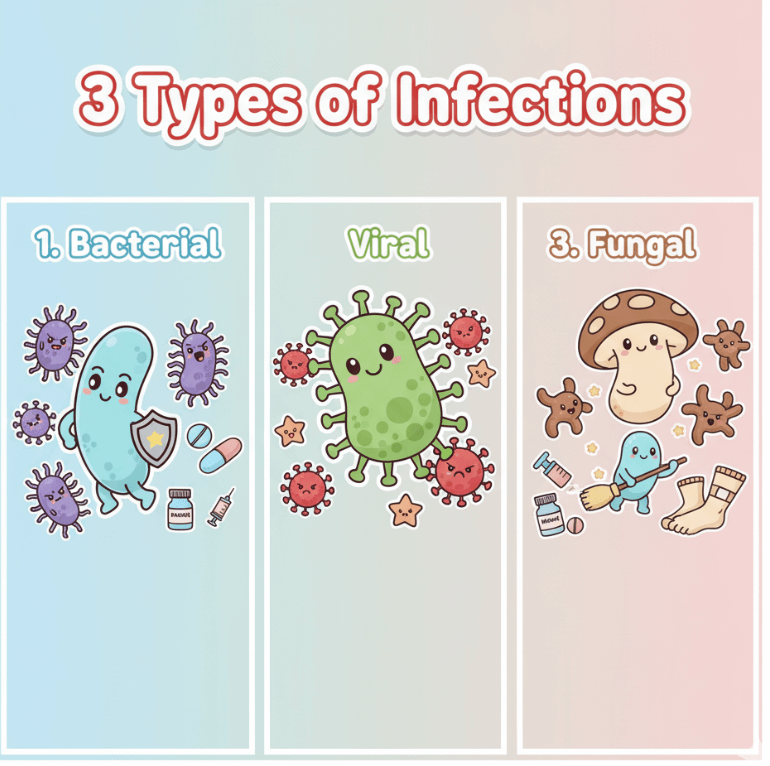
Bacterial infections are the primary concern in plastic surgery. Dr. Katzen emphasizes that his team takes every precaution to prevent bacteria from entering the incision area before, during, and after surgery.
Common Warning Signs of Surgical Infection
Dr. Katzen urges patients to contact their plastic surgeon immediately if they notice any of the following warning signs:
- Fever over 101.5°F
- Increasing redness, swelling, or warmth around the incision
- Excessive or worsening pain
- Itching that doesn’t subside
- Fluid drainage from the incision site, especially if thick, cloudy, or foul-smelling
If any of these symptoms occur, patients should call their plastic surgeon rather than sending photos or messages on social media. Quick medical evaluation ensures faster healing and prevents complications.
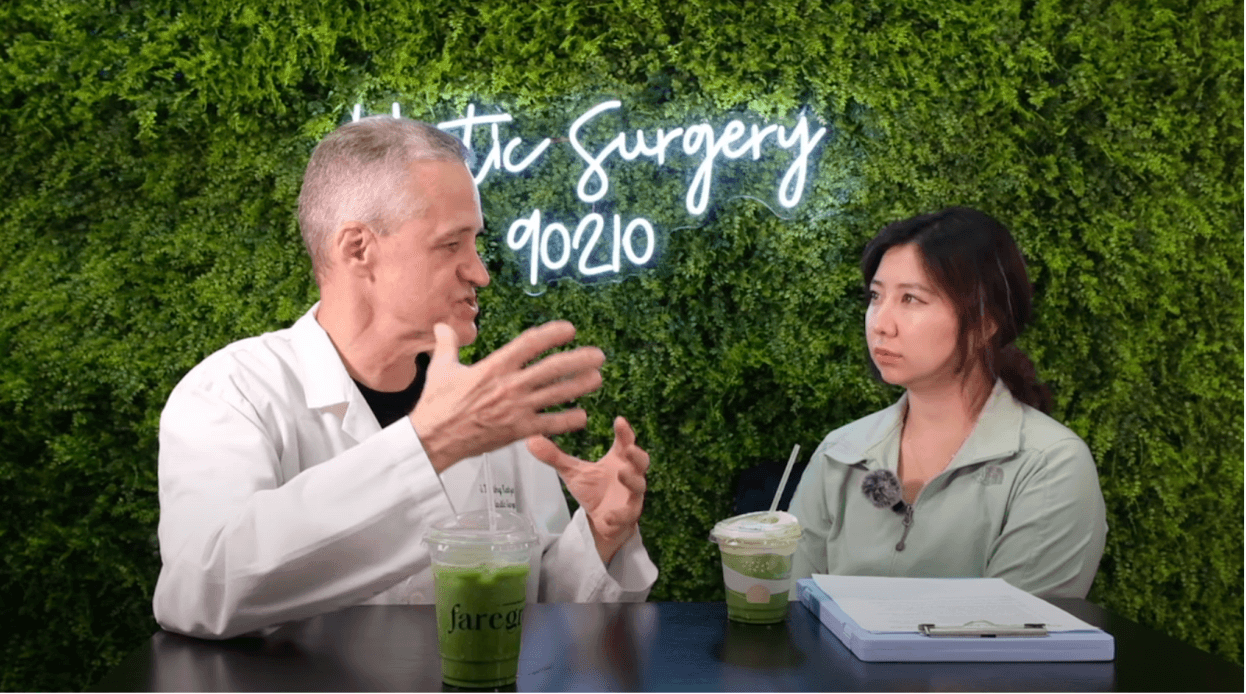
Watch Dr. Katzen and Ariel discuss surgical infections on their podcast Plastic Surgery 90210
Who Is at Higher Risk for Infection?
Certain patients are more prone to developing infections. Those with a history of obesity, diabetes, smoking, or immune system deficiencies may have slower healing and higher infection risks. Additionally, patients undergoing silicone or biopolymer removal procedures are more susceptible because the body must fight both bacteria and contaminated foreign materials. Dr. Katzen’s experience in complex reconstructive and silicone removal surgeries gives him a deep understanding of how to prevent and manage infections in these higher-risk cases.
Dr. Katzen’s Infection Prevention Protocol
At Dr. Katzen’s Beverly Hills practice, prevention begins before surgery. Patients are instructed to wash with Hibiclens antiseptic soap for three consecutive days leading up to surgery to remove surface bacteria. During the operation, patients receive IV antibiotics to protect against infections, and additional doses are administered as needed throughout the procedure. After surgery, oral antibiotics continue for several days to ensure full protection during recovery.
Dr. Katzen also applies Betadine to incision sites, helping sterilize wounds and minimize the risk of bacterial growth. His procedures are performed in accredited, sterile surgical centers, which maintain strict safety standards to keep infection rates extremely low.
What If an Infection Occurs?
Although rare, infections can happen even in the best surgical environments. Dr. Katzen reassures patients that most infections respond well to antibiotics and proper wound care. Early detection is key—if patients report symptoms promptly, infections can be treated before they cause significant complications or delay recovery.
Final Advice from Dr. Katzen
If you suspect a surgical infection, don’t wait—call your plastic surgeon right away. Avoid self-diagnosis, online advice, or waiting until after the weekend. Dr. Katzen and his team are always available to assist patients through recovery and ensure every concern is addressed quickly and professionally.
About Dr. J. Timothy Katzen
Dr. J. Timothy Katzen is a board-certified plastic surgeon in Beverly Hills, California, specializing in body contouring after massive weight loss, silicone injection removal, and complex reconstructive surgery. With over two decades of experience, Dr. Katzen is known for his compassionate care, meticulous technique, and dedication to patient safety.
For consultations or questions about infection prevention, post-surgical healing, or plastic surgery procedures, contact Dr. Katzen’s office at (310) 859-7770 or visit www.timothykatzenmd.com.